Category: Medical

Childrens Doctor in
16 Jun

Children’s Doctor in Phoenix: Specialist Pediatric Care for Your Child’s Health

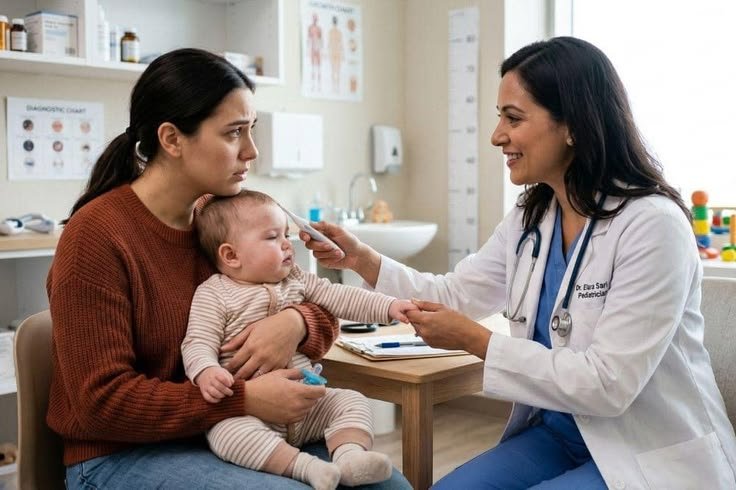
Choosing the right Children’s Doctor in Phoenix is one of the most important decisions any parent will make to help their child’s health. A trusted pediatrician plays an important role in ensuring your child grows up healthy and strong  from birth checkups and vaccines to treating illness and monitoring developmental milestones. Kids at different stages have different health care needs. Health care that meets the physical, emotional and developmental needs of children. That’s why Phoenix families rely on expert pediatricians to give their kids the personal, compassionate care they deserve. The Importance of Routine Pediatric Care Children develop and grow rapidly during the early years . Regular visits to the pediatrician help to ensure any health issues are caught early and treated. They also give doctors a chance to check growth patterns and provide preventive care, as well as check development. Routine pediatric care can help with: What does a pediatrician in Phoenix do? Newborn and infant care The first year of life is a period of huge developmental milestones for a child. Pediatricians conduct newborn exams, offer feeding help, track growth and counsel new parents. Well-Child Visits   Your child’s routine wellness visits are scheduled to check growth, development and overall health. These visits are important to prevent health problems and to keep children current with needed care. Childhood vaccinations Vaccines protect children from dangerous diseases and help keep our communities healthy. Pediatricians use recommended immunization schedules to keep children protected throughout childhood. Managing Common Childhood Illnesses Common conditions affecting children are: The pediatric doctors can diagnose and treat these diseases precisely making your kid feel good. Teen Health Care As children enter their teenage years, their health care needs change. Pediatricians recommend physical growth, diet, mental health and preventive measures in adolescence. What You Should Expect From Your Children’s Doctor in Phoenix Things to keep in mind when selecting a pediatrician Qualifications & Experience  Find board-certified doctors with extensive experience caring for children of all ages. Family Centered Care A good pediatric practice addresses parental concerns, values communication and makes a kid feel welcome. Easy access to  Parents choose pediatric clinics that offer flexible scheduling, same day appointments and locations throughout the Phoenix area. All Service Look for a pediatric clinic that provides preventative care, sick visits, immunizations and developmental tests so that your child can have continuity of treatment. Advantages of Having a Reliable Pediatrician There are many benefits to building a long-term relationship with a pediatric doctor: A trusted physician is an important partner in helping children achieve their best health at each stage of development. Why Phoenix Families Choose Pediatric Care Phoenix families are looking for pediatricians who combine medical skill with a caring approach. Today’s pediatric practices are committed to delivering positive health care experiences and to delivering high-quality medical services to meet the needs of every child. From routine checkups and immunizations to treatment of illness or developmental assistance, a skilled Children’s Doctor Phoenix can help you ensure your kid gets the best care possible. Conclusion Choosing the right Children’s Doctor in Phoenix is important for your child’s long term health and well-being. Children who receive routine pediatric care, preventive services and individualized medical attention grow into healthy, vibrant adults. An experienced pediatrician will make sure your child’s healthcare needs are met every step along the way, providing parents with the confidence that they are in good hands. Frequently Asked Questions (FAQ) 1. How often should my child see a pediatrician? Children should have regular well-child checkups on a schedule determined by their pediatrician, especially in infancy and early childhood. 2. What is the spectrum of health in children? Most pediatricians treat patients from birth through adolescence, generally until age 18. 3. When should I make my first pediatric appointment for my baby? Usually the first pediatric visit is scheduled a few days after the newborn leaves the hospital. 4. Why do children need it? Vaccines guard children against dangerous and potentially deadly infections. 5. What does a children’s doctor do? Pediatricians diagnose and treat injuries, infections, allergies, developmental problems and other illnesses in children. They also offer preventive health care services. 6. Can developmental delays be treated by a pediatrician? Yes. Pediatricians monitor developmental milestones and may recommend exams or therapy if problems arise. 7. When should I bring my child in for a sick visit? If your child has symptoms such as a fever, nagging cough, ear ache, vomiting or other concerns, schedule an appointment with a pediatrician. 8. What happens during a well-child visit? The doctor discusses growth, development, immunizations, nutrition, and health in general, and responds to parental questions. 9. Where to find the best pediatrician in Phoenix? Look for experience, board certification, great patient reviews, comprehensive services and convenient appointment times. 10. Why is it so important to have preventative child care? Preventive treatment aims to catch health problems early, encourages healthy development and maintains health and wellness over time for kids.

Explore More
child wellness checkup
13 May

How Often Should Kids Get Wellness Checkups?

As children grow, regular wellness checkups become an important part of maintaining their health and development. Many parents only visit a pediatrician when their child becomes sick, but preventive care visits are equally important. Wellness checkups help monitor growth, detect health concerns early, and ensure children receive proper medical guidance at every stage of life. Understanding how often kids should get wellness checkups can help parents support their child’s long-term health and wellbeing. Why Are Wellness Checkups Important for Children? Child wellness visits are designed to evaluate a child’s physical, emotional, and developmental health. These routine appointments allow pediatricians to identify possible concerns before they become serious. Wellness checkups help: Preventive healthcare helps children stay healthy while reducing the risk of future complications. Recommended Wellness Checkup Schedule for Kids Age Group Recommended Visit Frequency Main Purpose Newborn–12 Months Multiple visits during first year Growth, feeding, development, vaccines 1–3 Years Every few months Speech, behaviour, physical development 4–12 Years Once every year Preventive care and annual screenings 13–18 Years Annual wellness visits Physical and emotional health support Wellness Checkups During Infancy (0–12 Months) Infants require frequent pediatric visits because they grow rapidly during their first year. Pediatricians closely monitor feeding habits, sleep patterns, growth, and developmental milestones. Recommended infant wellness visits: These visits also include important childhood vaccinations that help protect babies from preventable illnesses. Wellness Visits for Toddlers (1–3 Years) Toddlers continue to experience significant physical and emotional development. Regular wellness exams help ensure children are meeting important milestones. Pediatricians may evaluate: Common wellness visit schedule: Routine visits help identify developmental delays early so children can receive proper support if needed. Annual Checkups for School-Age Children (4–12 Years) Most school-age children should visit their pediatrician once every year for preventive healthcare and wellness monitoring. Annual wellness visits help: Even healthy children benefit from yearly pediatric visits because some health conditions may not show noticeable symptoms early on. Teen Wellness Checkups (13–18 Years) Teenagers should continue annual wellness checkups to support both physical and mental health during adolescence. Teen wellness exams may include: Teen Health Area Purpose Mental Health Screening Identifies stress, anxiety, or depression Nutrition Guidance Supports healthy eating habits Sleep Evaluation Encourages proper sleep routines Sports Physicals Ensures safe athletic participation Development Monitoring Tracks puberty and physical growth Teen wellness visits also give adolescents an opportunity to discuss health concerns privately with their doctor. Signs Your Child May Need an Additional Checkup Parents should schedule an extra pediatric visit if their child experiences unusual symptoms or behavioural changes. Warning signs may include: Early diagnosis and treatment can help prevent serious health complications. Benefits of Regular Pediatric Wellness Visits Benefit Why It Matters Early Disease Detection Helps catch health issues before they worsen Growth Monitoring Ensures proper physical development Vaccination Updates Protects against preventable diseases Behavioural Support Identifies emotional concerns early Preventive Care Reduces long-term health risks Parent Education Helps parents understand child health needs Routine wellness visits provide peace of mind for parents while supporting healthy childhood development. What Happens During a Child Wellness Checkup? A pediatric wellness exam typically includes several routine evaluations and screenings. Common wellness checkup services: Pediatricians may also discuss school performance, sleep habits, and emotional wellbeing during the visit. FAQs How often should kids get wellness checkups? Infants and toddlers need more frequent visits, while most children over age four should have annual wellness exams. Are yearly wellness visits necessary if my child is healthy? Yes. Preventive care visits help identify potential health concerns early and support healthy growth. Do wellness checkups include vaccinations? Yes, pediatricians often review and update recommended vaccinations during wellness appointments. What should parents bring to a pediatric checkup? Parents should bring vaccination records, insurance information, medications, and any health-related questions. Conclusion Regular wellness checkups are one of the most important parts of pediatric healthcare. These visits help children stay healthy, monitor growth and development, and identify potential concerns early. From infancy through the teenage years, routine pediatric care supports every stage of a child’s physical and emotional wellbeing. Scheduling consistent wellness visits can help parents give their children the best foundation for a healthy future.

Explore More
couple holding ultrasound scan
13 May

When Should You Get Pregnancy Screening? Phoenix Experts Explain

Pregnancy is an exciting journey filled with important milestones, and one of the most essential steps for a healthy pregnancy is timely pregnancy screening. Early and routine pregnancy screenings help monitor both the mother’s health and the baby’s development, allowing healthcare providers to identify potential concerns before they become serious. At Desert Kids Pediatrics, we believe every mother deserves compassionate guidance and expert care throughout pregnancy and beyond. Our experienced healthcare professionals are committed to supporting families with trusted prenatal and neonatal care in Phoenix. What Is Pregnancy Screening? Pregnancy screening refers to a series of medical tests, evaluations, and ultrasounds performed during pregnancy to assess the health of the mother and the growing baby. These screenings help detect: These screenings are designed to provide reassurance while helping doctors create the best care plan for both mother and child. Why Is Pregnancy Screening Important? Pregnancy screenings play a major role in preventive healthcare. They allow doctors to detect health conditions early and provide treatment or monitoring if needed. Benefits of pregnancy screening include: Regular screenings can greatly improve outcomes for both mother and baby. When Should You Get Pregnancy Screening? First Trimester Screening (Weeks 10–13) The first trimester is one of the most important stages for pregnancy screening. During this time, doctors typically recommend: These tests help evaluate the baby’s early development and identify the risk of certain chromosomal conditions, such as Down syndrome. Early prenatal visits also allow healthcare providers to confirm the due date and assess the mother’s overall health. Second Trimester Screening (Weeks 15–22) During the second trimester, additional screenings help evaluate fetal anatomy and development. Common screenings include: The anatomy ultrasound is especially important because it allows doctors to examine the baby’s organs, spine, brain, and overall growth. This stage is also when many parents first learn the baby’s gender if they choose to find out. Third Trimester Screening (Weeks 28–40) The third trimester focuses on preparing for delivery and monitoring late pregnancy health. Screenings may include: Doctors carefully monitor both mother and baby during this stage to ensure a safe delivery experience. Who Needs Additional Pregnancy Screening? Some mothers may require extra pregnancy screenings based on certain risk factors, including: High-risk pregnancies often benefit from more frequent prenatal care and specialized monitoring. Signs You Should Schedule a Pregnancy Screening Immediately Although routine screenings follow a standard timeline, some symptoms require immediate medical attention. Contact your healthcare provider if you experience: Early medical evaluation can help prevent complications and protect both mother and baby. How Desert Kids Pediatrics Supports Families At Desert Kids Pediatrics, our caring healthcare professionals understand how important pregnancy care is for growing families. We are dedicated to providing compassionate support, expert guidance, and specialized pediatric and neonatal healthcare services in Phoenix. Families trust our experienced team because we focus on: With more than 32 years of combined experience, we remain committed to helping children and families thrive through every stage of life. Tips for a Healthy Pregnancy Along with regular screenings, maintaining healthy habits during pregnancy is essential. Here are a few important tips: Eat a Balanced Diet Focus on nutrient-rich foods including fruits, vegetables, protein, calcium, and iron. Attend All Prenatal Appointments Routine checkups help monitor your pregnancy and address concerns early. Stay Hydrated Drinking enough water supports healthy circulation and fetal development. Take Prenatal Vitamins Folic acid and essential nutrients are critical during pregnancy. Get Adequate Rest Sleep and stress management support maternal and fetal health. Avoid Harmful Substances Avoid smoking, alcohol, and unapproved medications during pregnancy. Final Thoughts Pregnancy screening is one of the most important parts of prenatal care. Timely screenings help doctors monitor your baby’s growth, identify potential health concerns, and ensure a safer pregnancy journey. Whether you are newly pregnant or preparing for delivery, staying informed and attending regular prenatal appointments can make a significant difference in your health and your baby’s future. At Desert Kids Pediatrics, we are proud to support families with compassionate pediatric and neonatal healthcare services designed to help every child grow healthy and strong.

Explore More
mom dad daughter watching ultrasound picture baby family light clothes family expecting baby
12 May

Best Pregnancy Screening Services in Phoenix, AZ (2026 Guide)

Pregnancy is one of the most important journeys in a family’s life, and choosing the right pregnancy screening services can make a major difference in ensuring both mother and baby stay healthy. In 2026, families in Phoenix, AZ are increasingly searching for reliable, compassionate, and advanced prenatal care that supports every stage of pregnancy. At Desert Kids Pediatrics, specialized pediatric and neonatal healthcare remains the primary focus. With experienced healthcare professionals, compassionate care, and a commitment to excellence, the clinic continues to support growing families with trusted healthcare guidance and personalized care solutions. What Are Pregnancy Screening Services? Pregnancy screening services are medical tests and evaluations performed during pregnancy to monitor the health of both the mother and the developing baby. These screenings help identify potential health concerns early, allowing healthcare providers to recommend the best treatment or care plan. Pregnancy screenings may include: These services play a critical role in preventing complications and promoting healthy pregnancies. Why Pregnancy Screenings Matter in 2026 Modern prenatal healthcare has evolved significantly. In 2026, advanced medical technology allows healthcare providers to detect health concerns earlier and provide more personalized treatment plans than ever before. Pregnancy screenings help with: Early Detection of Health Conditions Routine prenatal screenings can identify conditions such as: Early diagnosis often leads to better treatment outcomes. Monitoring Baby’s Growth Regular prenatal evaluations ensure the baby is developing properly throughout each trimester. Reducing Pregnancy Risks Screenings help healthcare providers identify high-risk pregnancies and provide timely medical intervention. Supporting Parental Peace of Mind Parents gain reassurance knowing their baby’s health is being closely monitored by experienced healthcare professionals. Best Pregnancy Screening Services in Phoenix, AZ Phoenix families often look for healthcare providers that combine compassionate care with modern prenatal screening technology. Choosing the right pediatric and neonatal healthcare partner is essential for receiving accurate evaluations and personalized support. Key Features to Look for in Pregnancy Screening Services When selecting prenatal screening services in Phoenix, consider healthcare providers that offer: At Desert Kids Pediatrics, families receive specialized care focused on children’s health, growth, wellness, neonatal care, diagnosis, treatment, and preventive healthcare support. Types of Pregnancy Screening Services Available First Trimester Screening First trimester screenings usually occur between weeks 11 and 14. These screenings may include blood work and ultrasound imaging to assess the baby’s development and identify potential chromosomal conditions. Ultrasound Screenings Ultrasounds help monitor fetal growth, movement, heartbeat, and overall development throughout pregnancy. Genetic Screening Tests Genetic tests help detect inherited conditions or chromosomal abnormalities early in pregnancy. Glucose Screening Glucose testing helps identify gestational diabetes, a condition that can affect both mother and baby if untreated. Blood Pressure Monitoring Regular blood pressure checks help prevent pregnancy-related complications such as preeclampsia. Neonatal Health Planning Healthcare providers may also help parents prepare for newborn healthcare and long-term pediatric support after delivery. Why Families Choose Desert Kids Pediatrics Families across Phoenix trust Desert Kids Pediatrics because of its commitment to compassionate and specialized pediatric care. Experienced Healthcare Team With years of experience in pediatric and neonatal healthcare, the team provides attentive support tailored to each family’s needs. Child-Focused Specialized Care The clinic focuses on delivering personalized healthcare services that prioritize children’s growth, development, and overall wellness. Commitment to Excellence Desert Kids Pediatrics emphasizes exceptional quality, continuous improvement, and transparent communication with every patient. Compassionate Family Support Parents receive guidance, education, and support throughout their healthcare journey. Preventive Healthcare Approach Preventive care and early diagnosis remain at the core of the clinic’s mission to create healthier futures for children. Signs You Should Schedule Pregnancy Screening Services Pregnant mothers should consider scheduling screenings if they experience: Routine prenatal care is recommended even in healthy pregnancies to ensure both mother and baby remain safe and healthy. How to Prepare for a Pregnancy Screening Appointment To make the most of your appointment: Open communication with your healthcare provider helps improve care quality and treatment planning. The Future of Prenatal Care in Phoenix Healthcare technology in 2026 continues to improve prenatal and neonatal care services. Families now benefit from: Phoenix healthcare providers are increasingly focusing on preventive and family-centered care to support healthier pregnancies and healthier children. Final Thoughts Finding the best pregnancy screening services in Phoenix, AZ is an important step toward ensuring a healthy pregnancy and a strong start for your child. Choosing a healthcare provider that prioritizes compassionate care, advanced diagnostics, and long-term wellness support can make the journey more comfortable and reassuring. At Desert Kids Pediatrics, specialized pediatric and neonatal healthcare remains the focus, helping families receive trusted care, preventive support, and compassionate medical guidance every step of the way. Whether you are preparing for your first child or expanding your family, quality pregnancy screening services can help protect both mother and baby while building a healthier future together.

Explore More
Our Locations

Our Locations

Phoenix – Midtown (Encanto District)
Phoenix – North Central (19th Avenue Corridor)
Phoenix – West Valley (Maryvale / 91st Avenue Area)
Phoenix – North Mountain (Cave Creek Corridor)
Surprise – Bell Road Area
Prescott – Downtown Prescott
Mesa – Central Mesa (McKellips Area)
Chandler – Central Chandler (Warner Area)
Phoenix – South Mountain
Tempe – West Tempe (Baseline Area)
Scottsdale – Old Town Scottsdale
Fountain Hills – Central Fountain Hills
Buckeye – Watson Road Area
Globe – Sunset Point Area