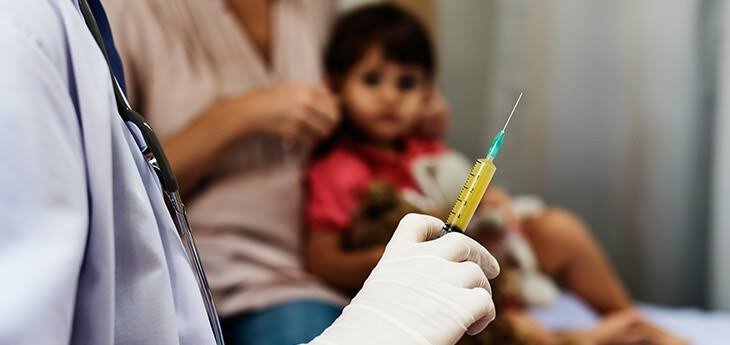
Child Vaccination Schedule Guide for Parents
The vaccination plan for children refers to a systematic plan that ensures protection of the child against some serious diseases at the appropriate age. By following the plan, the effectiveness of each vaccine in boosting the immune system of the child before exposure to any disease is enhanced.
Child Vaccination Schedule Guide for Parents
Being a parent makes one feel like entering unknown territory. Every decision is important, more so when it involves the well-being of a child.
Vaccination timing provides a guideline for parents to ensure their children are adequately protected from any illnesses in all stages of their young lives.
Why Child Vaccination Matters
Vaccines teach the immune system of your body how to fight harmful bacteria before they make you ill.
If your child does not have any kind of protection against these, diseases will be transmitted fast among infants and children who are young. Vaccines are like seatbelts that we wear before driving a car. It doesn’t work when something has already happened; the idea is to be always protected.
Children go out to daycare centers, schools, parks, family parties, and other places.
What Is a Child Vaccination Schedule?
Vaccination schedules are timelines established by doctors which outline when children should get their vaccines.
The vaccination schedule begins right after birth and proceeds through the course of childhood and teen years. The vaccines are scheduled in such a way so as to give children the maximum benefits.
Examples of common childhood vaccines include the following protection against:
- Hepatitis B
- Rotavirus
- Diphtheria
- Tetanus
- Pertussis (Whooping Cough)
- Polio
- Measles
- Mumps
- Rubella
- Chickenpox
- Hepatitis A
- Influenza
- HPV
- Meningococcal disease
Every child is different, but most healthy children follow the same recommended timeline.
Why Following the Schedule Is Important
It is always better for vaccines to be taken at the age recommended.
Delaying vaccination can put a child at risk during the period he or she is most susceptible. It will also minimize the risks of missing any dose and the need for future booster shots.
A lot of research has gone into developing the immunization schedule.
What Happens During a Vaccination Visit?
Appointments are often short and straightforward.
The pediatrician will examine your child, verify vaccinations, answer questions and administer any necessary vaccines.
Some kids might experience a slight reaction to the appointment including minor pain, swelling or fever. These reactions typically clear up in one to two days.
It is important for parents to watch their kids following an appointment and speak to their pediatrician if something seems wrong.
Tips for Parents Before and After Vaccination
A little preparation can make the visit easier.
Before the appointment:
- Bring your child’s vaccination record.
- Dress your child in loose-fitting clothing.
- Write down any questions.
After vaccination:
- Offer plenty of fluids.
- Comfort younger children with cuddles or feeding.
- Watch for mild side effects.
- Follow any instructions from your pediatrician.
Small steps today often prevent much bigger problems tomorrow.
When to Speak With a Pediatrician
Parents should talk with their pediatrician if:
- A vaccine appointment was missed.
- Their child has a medical condition affecting the immune system.
- Previous vaccine reactions raise concerns.
- They’re unsure which vaccines are due.
Every question deserves an answer. Open conversations help parents make informed decisions.
Expert Insights
It is highly recommended that children be kept up-to-date on their immunizations because they provide the safest and most effective way of preventing infections. Well-child visits also serve as an avenue where parents can check the growth and development of their child while keeping track of his immunizations.
FAQs
What happens if a child misses a vaccine?
Most missed vaccines can be given later through a catch-up vaccination schedule. A pediatrician can review your child’s records and recommend the safest timeline to get back on track.
Are childhood vaccines safe?
Yes. Childhood vaccines are carefully tested before approval and continuously monitored for safety. Mild side effects are common, while serious reactions are rare.
Can multiple vaccines be given during one visit?
Yes. Receiving multiple vaccines during the same appointment is common practice and has been shown to be safe and effective for healthy children.
Does my child need the flu vaccine every year?
Yes. Flu viruses change over time, which is why annual vaccination helps provide the best available protection each flu season.
Should parents keep vaccination records?
Yes. Keeping an updated vaccination record makes school enrollment, travel, and future medical appointments much easier.
Conclusion
Keeping up with your child’s vaccination schedule gives them strong protection during the years when they need it most. Every scheduled visit helps build lasting immunity and supports healthy growth from infancy through adolescence. Staying informed and working closely with a trusted pediatrician makes protecting your child’s health a little easier every step of the way.



Leave a comment