Managing Fever in Children at Home
A fever in your child can make you worry, especially when they become tired, uncomfortable, or stop eating normally. The good news is that most childhood fevers are caused by common infections and can be managed at home with proper care.
However, knowing what to do and when to seek medical help is important. From checking your child’s temperature to keeping them hydrated, simple steps can help them feel more comfortable while their body fights an infection.
What Is Considered a Fever in Children?
A child has a fever when their body temperature reaches 100.4°F (38°C) or higher. Fever is usually a response to an infection or illness. It helps the immune system respond, but the cause of the fever and your child’s overall condition matter more than the temperature alone.
A normal body temperature can vary slightly throughout the day. It may also change depending on your child’s activity, age, and how the temperature is measured.
Common signs of fever include:
- Warm forehead, back, or chest
- Sweating or chills
- Red or flushed cheeks
- Feeling tired or less active
- Headache or body aches
- Reduced appetite
- Irritability or fussiness
Some children may also develop a cough, runny nose, sore throat, or stomach discomfort, depending on the illness causing the fever.
Common Causes of Fever in Children
Fever is a symptom, not an illness itself. Several conditions can cause a child’s temperature to rise.
Common causes include:
Viral Infections
Viruses are among the most common causes of fever in children. Conditions such as colds, flu, and other respiratory infections may cause fever along with coughing, congestion, body aches, or tiredness.
Most viral infections improve with time and supportive care. Antibiotics do not treat viral infections.
Bacterial Infections
Some bacterial infections can also cause fever. These may include ear infections, urinary tract infections, strep throat, and certain lung infections.
A healthcare professional may need to examine your child and recommend testing or treatment.
Vaccinations
Some children develop a mild fever after receiving certain vaccines. This is usually temporary and may occur along with soreness or fussiness.
Follow the guidance provided by your child’s healthcare professional about expected reactions and when to seek help.
Other Causes
Less commonly, fever may occur due to inflammatory conditions or other medical problems. If your child’s fever keeps returning or lasts longer than expected, arrange a medical evaluation.
How to Manage Fever in Children at Home
Home care can help your child stay comfortable while their body recovers. You don’t need to bring their temperature down to normal at all costs. Focus on hydration, rest, and how your child is behaving.
1. Check Your Child’s Temperature
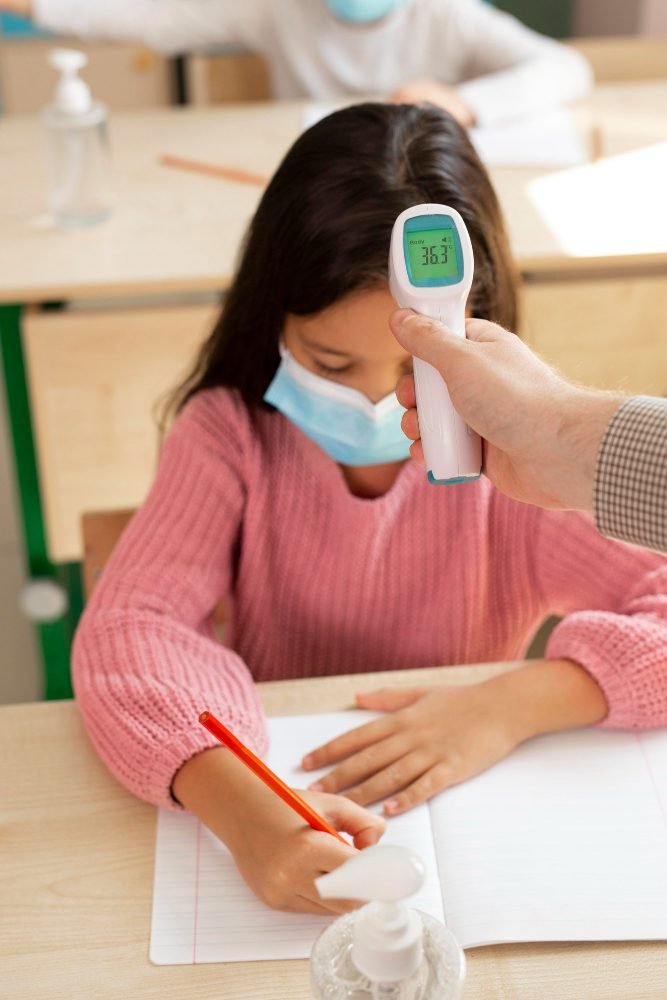
Use a reliable digital thermometer to measure your child’s temperature. Avoid relying only on how warm their forehead feels.
Depending on your child’s age, you can use an appropriate thermometer method, such as:
- Rectal measurement for young infants when advised
- Oral measurement for children old enough to use it correctly
- Underarm measurement as a less accurate screening method
- Ear or forehead thermometers when used according to the manufacturer’s instructions
For babies under three months, a rectal temperature of 100.4°F (38°C) or higher needs immediate medical assessment.
2. Give Plenty of Fluids
Fever can increase fluid loss through sweating and faster breathing. Keeping your child hydrated helps replace lost fluids.
Offer:
- Breast milk or formula for infants
- Water for older children
- Oral rehydration solution when appropriate
- Soups or other fluids your child can comfortably tolerate
Offer small amounts frequently if your child doesn’t want to drink much at once.
Watch for signs of dehydration, such as a dry mouth, fewer wet diapers, reduced urination, no tears when crying, or unusual sleepiness.
3. Encourage Rest
Your child may feel tired or less interested in playing when they have a fever. Let them rest as much as they need.
Keep activities light and allow them to return to normal routines gradually as they feel better. There’s no need to force your child to stay in bed if they feel comfortable moving around.
4. Dress Your Child Comfortably
Choose lightweight, comfortable clothing and keep the room at a pleasant temperature.
Avoid:
- Wrapping your child in thick blankets
- Dressing them in multiple heavy layers
- Using ice packs or very cold baths
- Trying to force sweating to reduce fever
If your child has chills, use a light blanket until they feel comfortable. Remove extra layers once the chills pass.
5. Offer Small, Simple Meals
Children may eat less when they have a fever. This is common, and you don’t need to force them to finish meals.
Offer foods they usually tolerate, such as:
- Rice or soft cooked vegetables
- Soup or broth
- Yogurt
- Bananas
- Toast or other simple foods
Fluids are more important than food during a short illness. Appetite usually improves as your child starts feeling better.
6. Use Fever Medicine When Appropriate
Fever medicine may help if your child feels uncomfortable, has body aches, or struggles to rest.
Common medicines include:
- Acetaminophen (paracetamol): Can help reduce fever and relieve discomfort.
- Ibuprofen: May help reduce fever and pain in children who are old enough to take it safely.
Always follow the product label and your healthcare provider’s instructions. The correct dose depends on your child’s weight, age, and the medicine’s concentration.
Keep these safety points in mind:
- Do not give aspirin to children unless specifically directed by a specialist.
- Do not give ibuprofen to babies younger than six months unless a healthcare professional advises it.
- Avoid giving multiple medicines containing acetaminophen at the same time.
- Do not alternate fever medicines unless your child’s healthcare professional recommends it.
- Never guess the dose or use a kitchen spoon to measure liquid medicine.
The goal is to make your child more comfortable, not necessarily to bring their temperature down to normal.
What Should You Avoid When Your Child Has a Fever?
Some common home remedies can cause discomfort or harm. Use safe care methods instead of trying to lower the temperature quickly.
Avoid the following:
- Cold baths: Very cold water can cause shivering and make your child uncomfortable.
- Alcohol rubs: Rubbing alcohol can be absorbed through the skin or inhaled, creating a risk of poisoning.
- Heavy blankets: Excessive clothing and blankets can trap heat.
- Unprescribed antibiotics: Antibiotics do not work against viruses and should only be used when prescribed.
- Incorrect medicine doses: Giving too much fever medicine can cause serious side effects.
- Forcing food: Let your child eat according to their appetite while offering enough fluids.
If you’re unsure whether a home remedy or medicine is safe, ask your child’s healthcare provider.
When Should You Contact a Doctor for Childhood Fever?
Not every fever needs emergency treatment, but some situations require prompt medical attention. Your child’s age, behavior, hydration, and other symptoms help determine how quickly they need care.
Contact a healthcare professional if:
- Your child’s fever lasts more than three days.
- They have repeated episodes of fever.
- They are drinking very little or urinating less than usual.
- They have persistent vomiting or diarrhea.
- They complain of severe pain.
- They develop a rash along with fever.
- They seem unusually tired or are becoming less responsive.
- Their condition is getting worse instead of improving.
Babies younger than three months with a temperature of 100.4°F (38°C) or higher need immediate medical assessment, even if they appear well. Don’t wait to see whether the fever goes away on its own.
Children between three and six months who have a temperature of 102.2°F (39°C) or higher should also receive prompt medical advice.
Warning Signs That Need Emergency Care
Some symptoms may indicate a serious illness and require emergency medical attention.
Call emergency services or go to the nearest emergency department if your child:
- Has difficulty breathing or is breathing very fast.
- Has blue, gray, or unusually pale lips or skin.
- Is difficult to wake or cannot stay awake.
- Has a seizure for the first time.
- Has a stiff neck with fever.
- Develops a rash that does not fade when pressed.
- Shows signs of severe dehydration.
- Becomes confused or unusually unresponsive.
If your child has a seizure, place them on their side on a safe surface, move nearby objects away, and time the seizure. Don’t put anything in their mouth or try to hold their movements. Call emergency services for a first seizure, a seizure lasting five minutes or longer, breathing problems, or repeated seizures.
Trust your instincts. If your child looks seriously unwell, seek medical help even if their temperature isn’t very high.
How Can You Prevent Fever-Causing Infections?
You cannot prevent every childhood infection, but everyday hygiene and preventive care can lower the risk of some illnesses.
Simple habits include:
- Encourage regular handwashing with soap and water.
- Keep vaccinations up to date.
- Teach children to cover their mouth and nose when coughing or sneezing.
- Clean frequently touched surfaces.
- Avoid close contact with people who are sick when possible.
- Encourage healthy meals, enough sleep, and regular physical activity.
- Keep children home from school or daycare when they’re too unwell to participate.
Vaccination is especially important because it helps protect children from several infections that can cause serious illness.
Frequently Asked Questions
How long does fever usually last in children?
Many fevers caused by common viral infections improve within two to three days, although the duration varies depending on the illness. Some infections may cause fever for longer. Contact your child’s healthcare professional if the fever lasts more than three days or your child develops worsening symptoms.
Should I wake my child to give fever medicine?
You generally don’t need to wake a comfortably sleeping child just to give fever medicine. Rest is important during recovery. However, check on your child regularly and seek medical advice if they are unusually difficult to wake, have breathing problems, or show other warning signs.
Can I give my child a bath when they have a fever?
Yes, a comfortably warm bath is generally fine if your child enjoys it. Avoid cold baths, ice water, and alcohol rubs because they can cause discomfort or other problems. Bathing is not necessary to treat fever. Focus on fluids, rest, and appropriate medical care.
Is a high fever always dangerous for children?
No, a high temperature does not always mean a child has a serious illness. However, age, behavior, hydration, and other symptoms are important when assessing risk. Any fever in a baby under three months needs immediate medical assessment, regardless of how well the baby appears.
Can teething cause a high fever?
Teething may cause mild discomfort and a small temperature change, but it should not be used to explain a true fever of 100.4°F (38°C) or higher. If your baby develops a fever, look for other possible causes and contact a healthcare professional when needed.
When can my child return to school after having a fever?
Children should generally stay home until they have been fever-free for at least 24 hours without using fever-reducing medicine and are well enough to participate in normal activities. Follow your school’s illness policy and your healthcare provider’s advice, especially if your child has a contagious infection.
Keep Your Child Comfortable and Know When to Seek Help
Most childhood fevers improve with time, fluids, and rest. Paying attention to your child’s behavior and watching for warning signs can help you decide when home care is enough and when medical attention is needed.
If you’re concerned about your child’s fever, don’t hesitate to contact a healthcare professional. Early medical guidance can help you understand the possible cause and choose the right care for your child.
To know more about out services visit – Our services
For more visit –Bellagio Marketing and our blog



Leave a comment